SPONSORED | This page contains affiliate promotions.
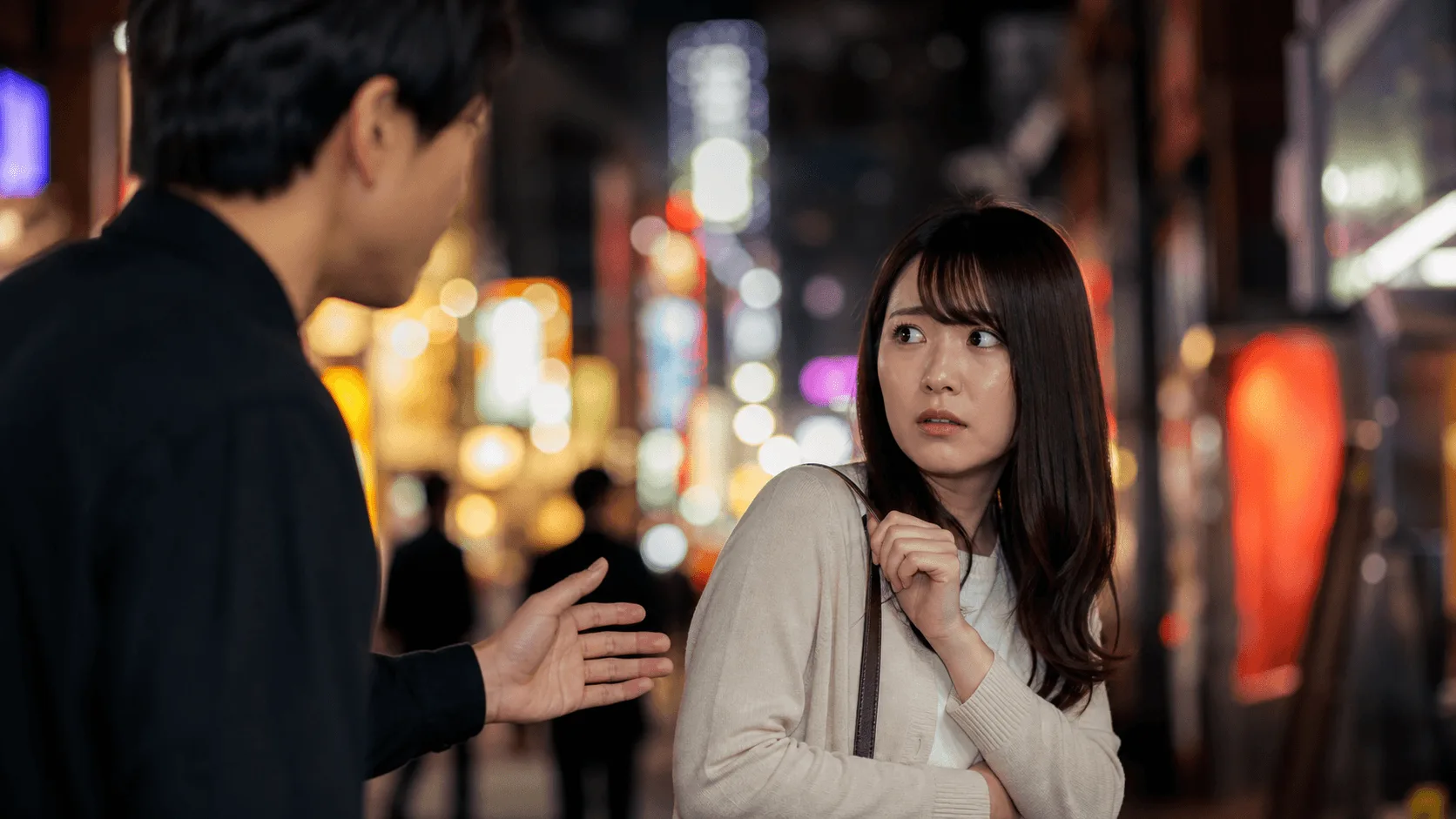
You’re in a lively nightlife district when a stranger says, “Cheap!” or “I know a great place”—you follow along, and the bill turns out to be shockingly high. Rip-offs (bottakuri) and aggressive touting, targeting visitors especially, has become a real problem in Japan.
What was supposed to be a relaxed drink or dinner can turn into a bill of tens of thousands of yen—and reports include cases where a single bill topped ¥1 million (about US$6,500). The good news: once you know the patterns and the countermeasures, most of this trouble is avoidable.
Here’s what you’ll get from this guide to enjoy Japanese nightlife safely:
- What rip-offs and aggressive touts actually are, and the core problem
- How they target visitors and the real harms reported
- Why aggressive touting and rip-offs can violate the law
- Practical countermeasures to avoid becoming a victim
- Where to get help if it happens to you
The people who think “it won’t happen to me” are often the easiest targets. Check this before you head out.
- What are rip-offs (bottakuri) and aggressive touts?
- How they target visitors, and the real harms reported
- Aggressive touting and rip-offs can violate the law
- Countermeasures to avoid becoming a victim
- If you get hit with a bottakuri bill
- Frequently asked questions (FAQ)
- Summary | “Don’t follow street touts” is the strongest defense
What are rip-offs (bottakuri) and aggressive touts?
Bottakuri means being charged an outrageous fare—one that has nothing to do with what you were told beforehand—at a restaurant, bar, or club. Many of these cases start with a street tout (kyakuhiki) who leads you into the shop.
“I meant to have just one beer, but table charges, nomination fees, service charges kept piling up, and the final bill was absurd”—that’s the classic pattern. Some nightlife districts, including Kabukicho in Tokyo’s Shinjuku, are areas where the Tokyo Metropolitan Police Department has repeatedly urged caution (most establishments in these districts operate legitimately; the issue is a small number of predatory shops and touts).
The single most effective countermeasure is not to follow anyone who touts you on the street—stick with a shop you chose yourself.
How they target visitors, and the real harms reported
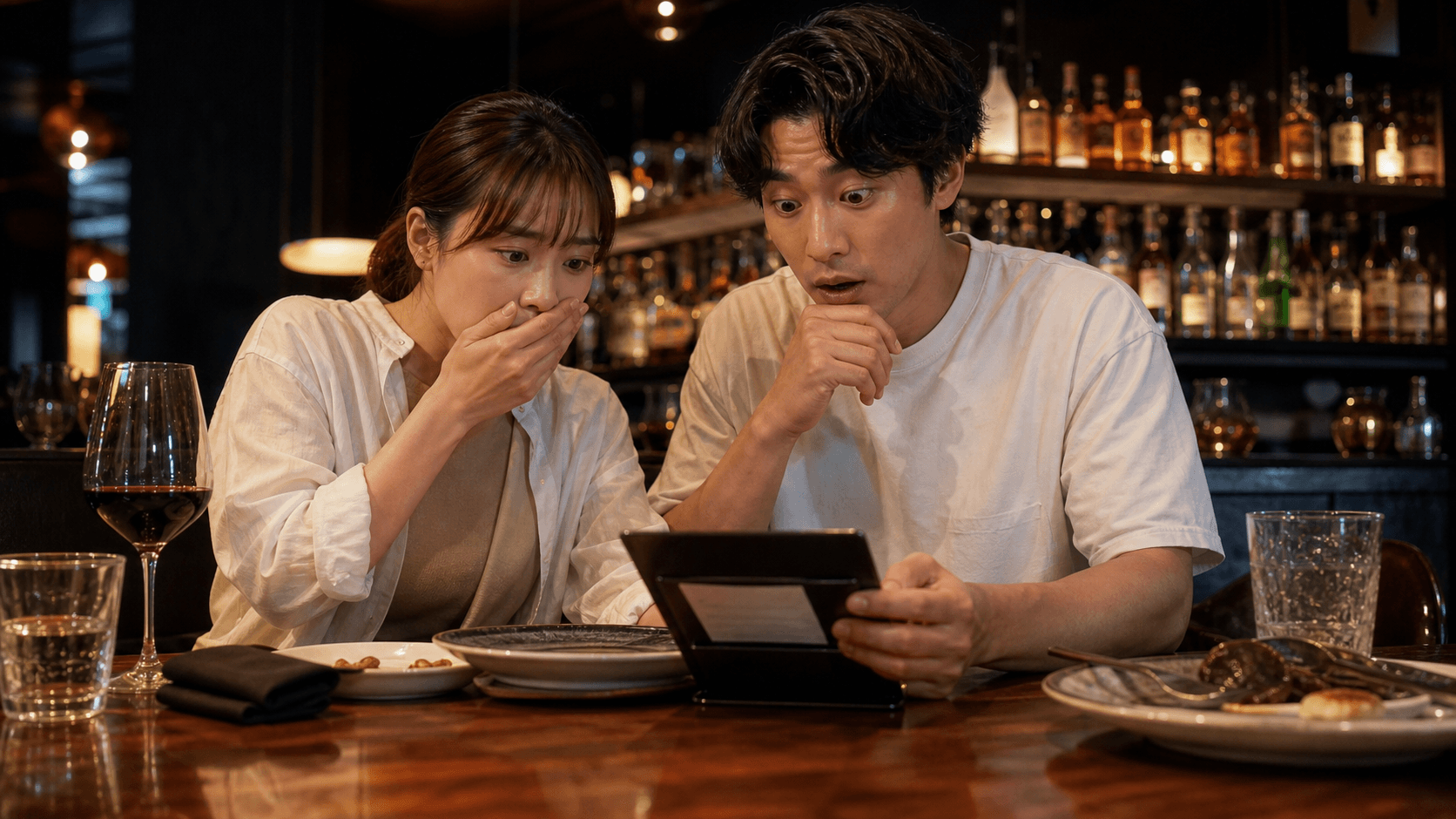
The risk of a shocking bill at the register.
In recent years, patterns aimed at travelers from overseas have stood out. Based on news coverage and Tokyo Metropolitan Police Department alerts, the following cases have been reported:
- Speaking your native language to lower your guard: touts friendly in another language use that to disarm caution before leading you to a shop. In some cases the shop staff are also non-Japanese.
- Lying with “let me take you to an affiliated store”: standing near a famous restaurant, they claim “it’s full” or “we have an affiliated store” and lead you to an unrelated shop instead.
- Luring via dating or social media apps: a person you connected with online picks the shop, and it turns out to be one that hits you with an absurd bill.
- Faking “polite service and clear pricing”: rather than acting aggressive, some appear polite on purpose so travelers stay off-guard.
The scale is not small. According to news reports, rip-off damage in the Kabukicho area around Shinjuku reached roughly ¥140 million (approx. US$900,000) by late October 2025, and the Tokyo Metropolitan Police Department has stepped up alerts. Individual bills in the ¥1 million range have been reported.
Aggressive touting and rip-offs can violate the law
Aggressive touting and rip-offs can amount to ordinance violations or crimes under Japanese law.
- Nuisance-prevention ordinances (Tokyo Metropolitan Government and others): persistently touting people in public spaces—for example, following them around to solicit—is prohibited.
- Related ordinances against rip-offs (Tokyo Metropolitan Government): solicitation that misleads people into thinking a shop is cheaper than it is, and demands for unfair fees, are restricted.
- Ward-level anti-touting ordinances: Shinjuku, Minato, and Shibuya wards regulate touting itself. In Shibuya, new authorities took effect in April 2025 including administrative fines against touts and on-site inspection powers, part of a broader tightening.
In short, simply following a tout carries real risk. For exact ordinance wording and penalties, please check Tokyo Metropolitan Police Department (English) and other official sources.
Countermeasures to avoid becoming a victim
The single biggest step is: don’t follow street touts. Beyond that, keep these in mind:
- Don’t follow anyone who touts you on the street (being approached is already a warning sign)
- Confirm the pricing before entering (table charge, service charge, cover, tax—get it all in writing)
- Look for clear price displays at the shopfront
- Check reviews and ratings on Google Maps or similar apps before you go in
- Book the place you want yourself (line up a legitimate reservation or tour before you go)
Especially in a new city where “I don’t know which places are safe” applies, booking a legitimate food tour or experience in advance means you can enjoy dining and nightlife without leaning on touts.
Especially recommended for:
- First-time visitors to Japan
- Solo travelers, especially at night
- Travelers who don’t speak Japanese
- Any time you’re heading out for late-night food or drinks
SPONSORED | Stays & experiences in one place
Book stays & experiences on KKday
Beyond just a room, KKday lets you line up licensed stays alongside tours, tickets, and food experiences—handy for planning your Japan trip in one place, so you can enjoy nights out without relying on street touts.
Being able to check reviews and typical prices on the spot also matters, which needs mobile data. Booking a hotel in advance gives you a confirmed base to return to, so a late-night mistake doesn’t leave you stranded.
SPONSORED | Multilingual hotel booking
Book Japan hotels on Agoda
A multilingual hotel booking platform popular across Asia. Filter by area and dates, and compare with guest reviews—reassuring even for a first trip to Japan.
If you get hit with a bottakuri bill
If something feels off, don’t rush to pay the whole bill on the spot. Handling depends on the situation—please prioritize your safety first, and reach out to the right channels:
- If you’re being threatened or feel in danger: put your safety first and call the police at 110 without hesitation.
- Consumer consultation for visitors: the Consumer Hotline for Tourists (National Consumer Affairs Center of Japan) can advise on consumer trouble in English and other languages.
- Fare or contract disputes (domestic hotline): the Consumer Hotline 188 (Consumer Affairs Agency).
- Keep evidence: bills, receipts, the shop name and location, and any records of the exchange all help when you consult.
Whether or not you have to pay the full amount on the spot depends on the situation. Don’t be pressured by threats—your safety and getting advice come first.
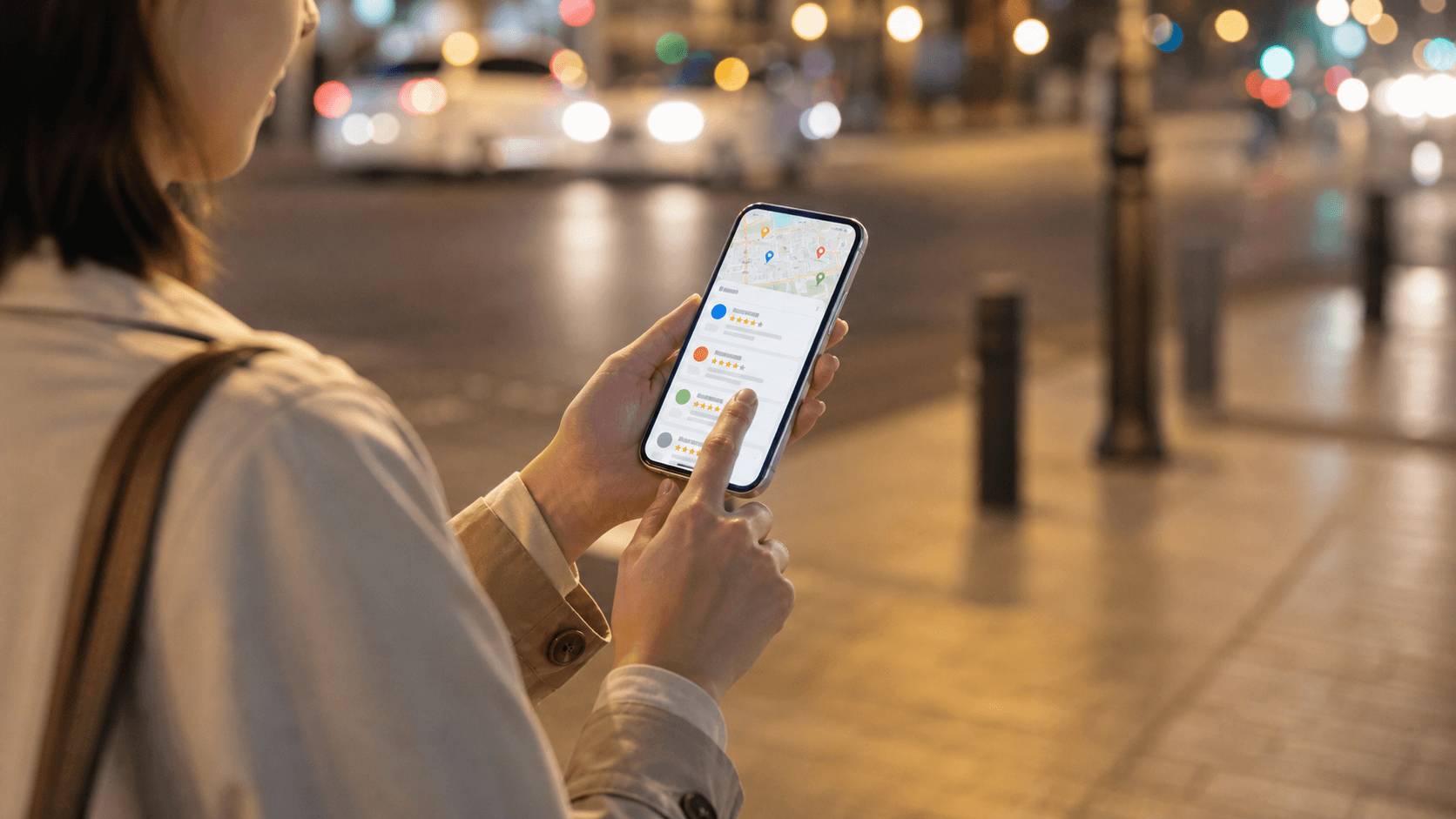
Checking things beforehand—and knowing who to consult—buys peace of mind.
Frequently asked questions (FAQ)
Q. Why is following a tout risky?
A. It often leads to bills far higher than anything you were told about. Aggressive touting can violate local ordinances, and once trouble happens, resolving it becomes hard.
Q. Any tips for picking a safe shop?
A. Look for clear pricing at the entrance, check Google Maps or a similar app for reviews and ratings, and confirm the fees (table charge, service charge, tax) before you sit down. A place you booked yourself is generally safer.
Q. Do I have to pay the full bill on the spot if I’m hit with one?
A. Not always—handling depends on the situation. If you’re being threatened or coerced, put your safety first and call the police at 110. For consumer disputes, the Consumer Hotline for Tourists or 188 can advise.
Q. Does this happen in every nightlife district?
A. Most shops in Japan’s nightlife districts operate legitimately. The problem is a small number of predatory shops and touts. Especially at night, be cautious of anyone approaching you on the street, and pick your shop through legitimate channels.
Q. Are touts around during the daytime too?
A. Touts can approach you around stations and busy areas even during the day. Day or night, if a stranger is trying to lead you to a shop, take a moment before deciding.
Q. Is tipping expected in Japan?
A. Tipping isn’t part of standard Japanese culture. If a bill lists charges beyond the base price you don’t recognize, ask what they are—that’s a normal thing to do, not rude.
Summary | “Don’t follow street touts” is the strongest defense
Rip-offs and aggressive touting are the kind of trouble you can dodge once you know the patterns. Keep these in mind:
- Don’t follow anyone who touts you on the street
- Before entering, confirm the pricing (table charge, service charge, tax)
- Check reviews and use legitimate reservations or tours to choose with confidence
- For trouble, contact the Consumer Hotline for Tourists, the domestic Consumer Hotline 188, or the police at 110, keeping evidence
A little care lets you enjoy Japan’s nightlife with confidence. Aim for a great memory—safety first, and enjoy your trip to Japan.
Related reading: Shirotaku in Japan: Spotting Illegal Taxis & Safer Ways to Get Around / Japan Minpaku Guide: Trouble, Illegal Listings & Safe Choices
Latest information (official sources):
- Tokyo Metropolitan Police Department (English)
- Consumer Hotline for Tourists (National Consumer Affairs Center of Japan)
- Consumer Affairs Agency (CAA)
- Japan National Tourism Organization (JNTO)
※ The images in this article were created using generative AI.
※ This article is general awareness content based on public information and news reports as of June 2026. Not intended to defame any specific business, neighborhood, individual, or nationality. Ordinances, regulations, and penalties may be revised. For accurate and current information, consult the Tokyo Metropolitan Police Department, each local government, the Consumer Affairs Agency, and the National Consumer Affairs Center of Japan official sources. Service names and app names are trademarks or registered trademarks of their respective owners.
This English article was created with AI translation assistance based on the original Japanese. For rules, procedures, and any specific situation, please always confirm the latest details on the official government sources before you act.